codec4AI
Rethinking Video Storage for AI Training: Breaking Cross-Frame Dependencies for Efficient Random Access





Abstract
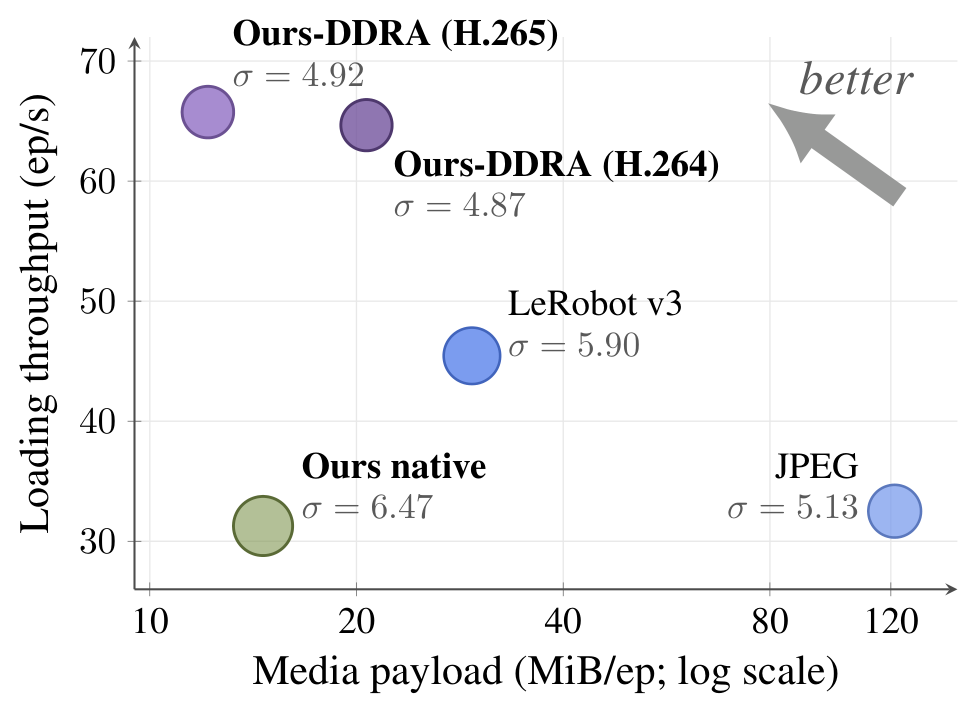
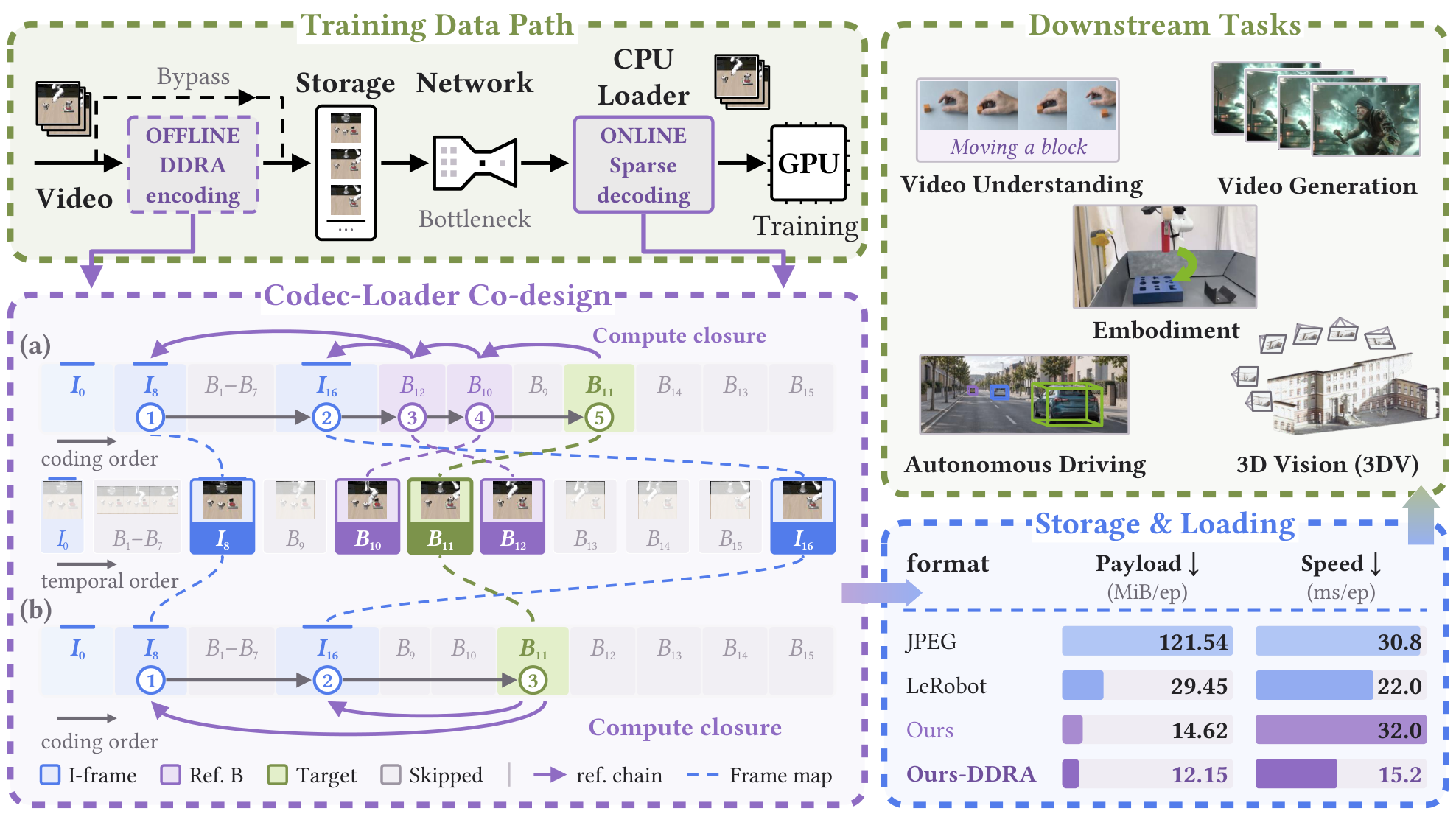
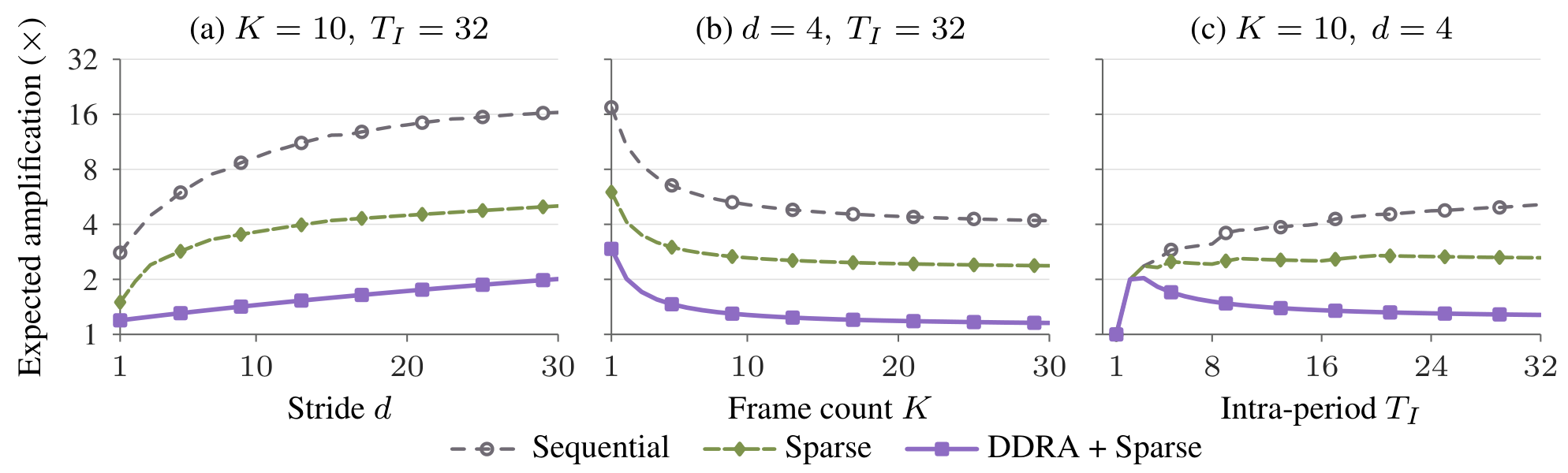
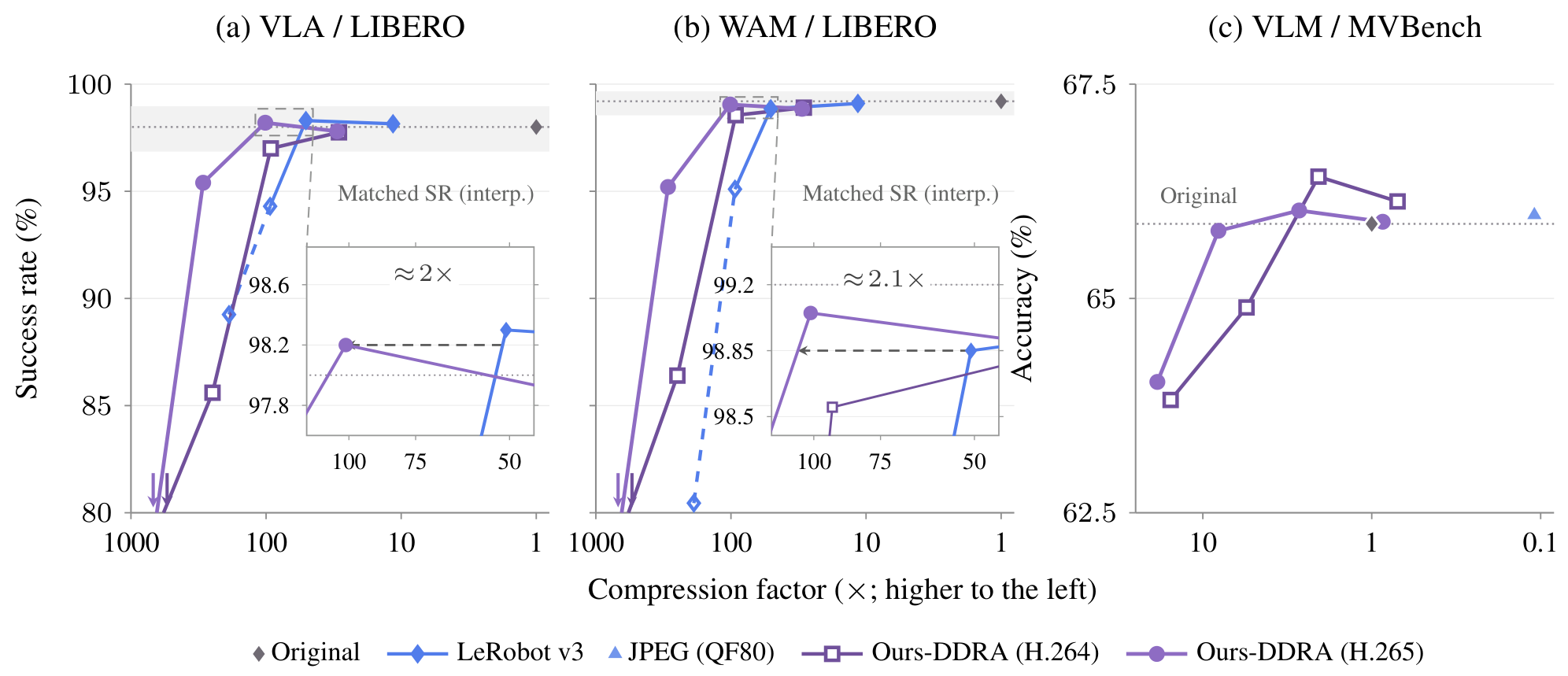
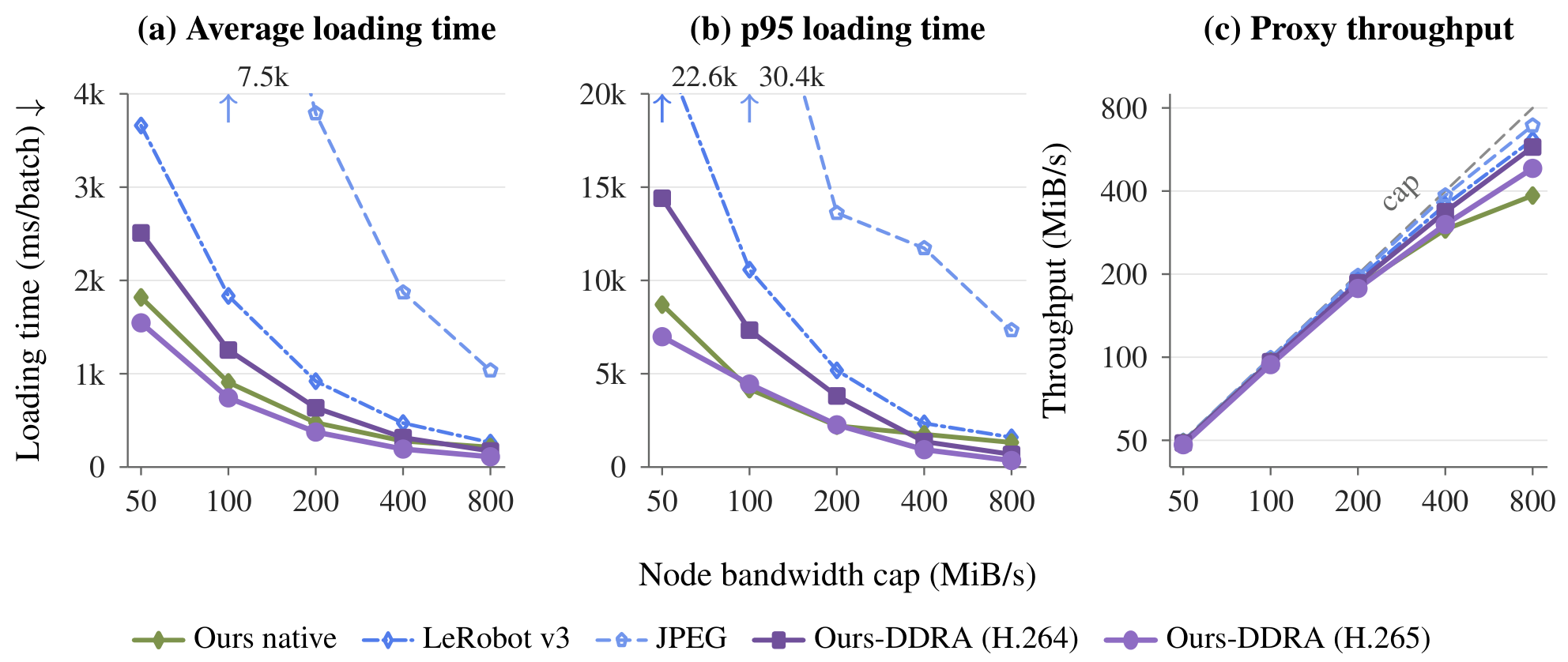
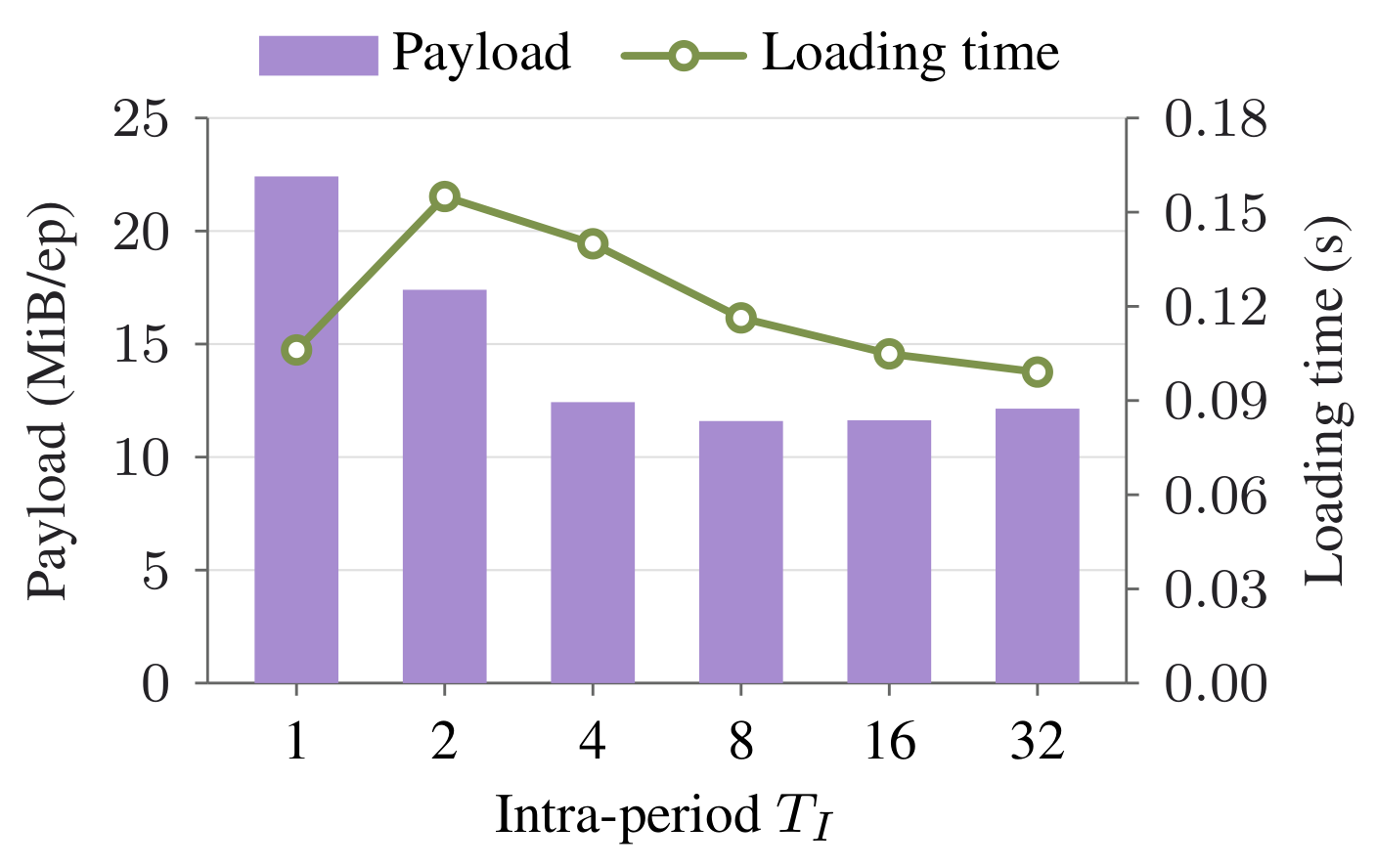
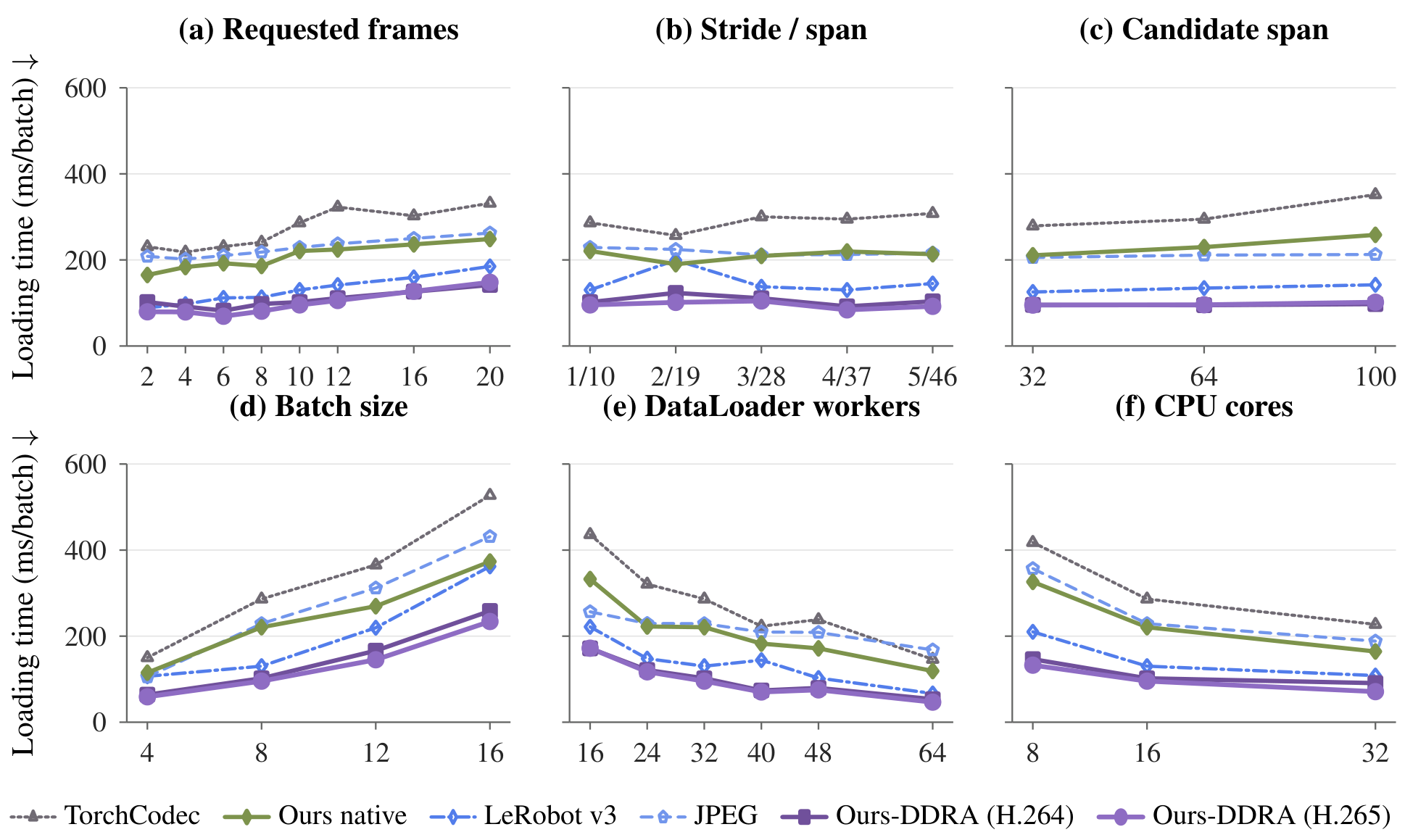
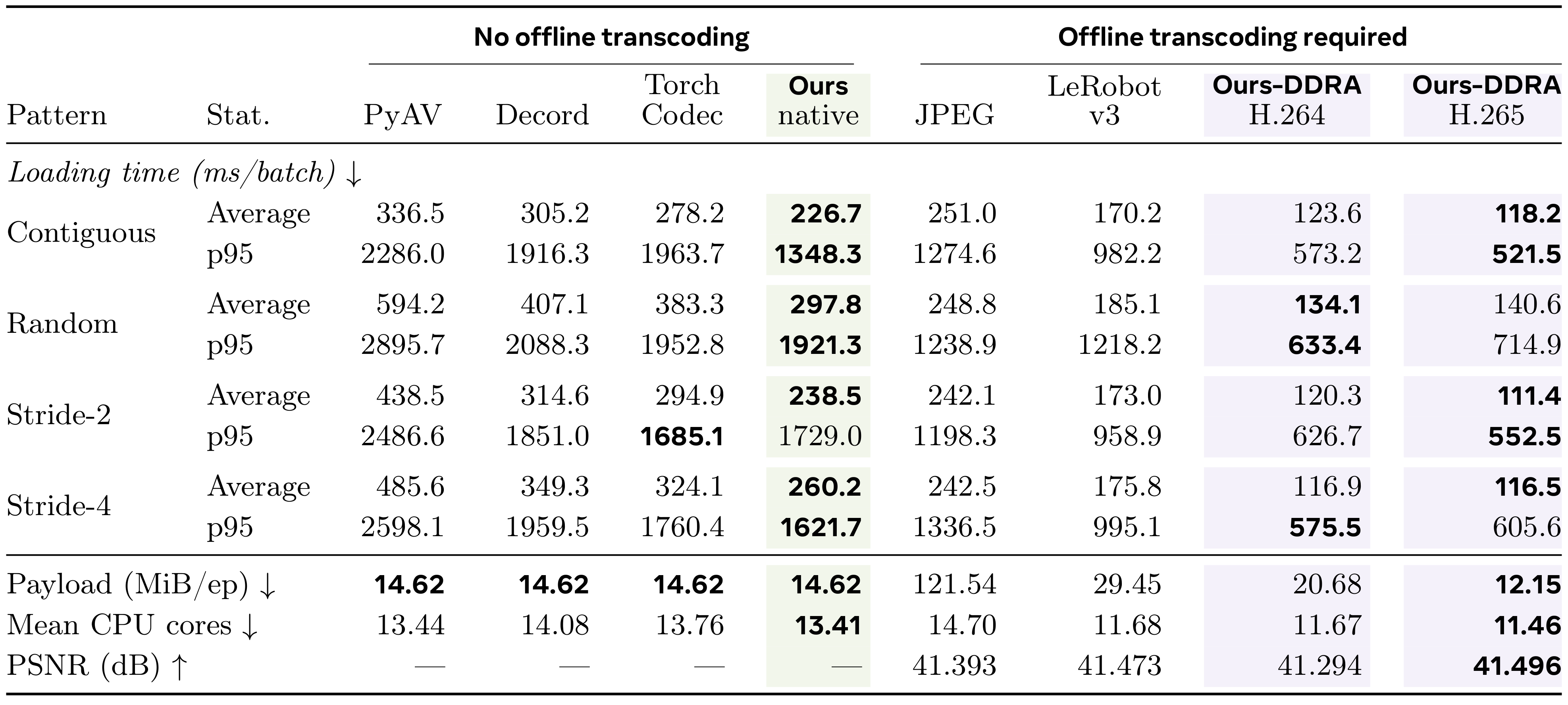
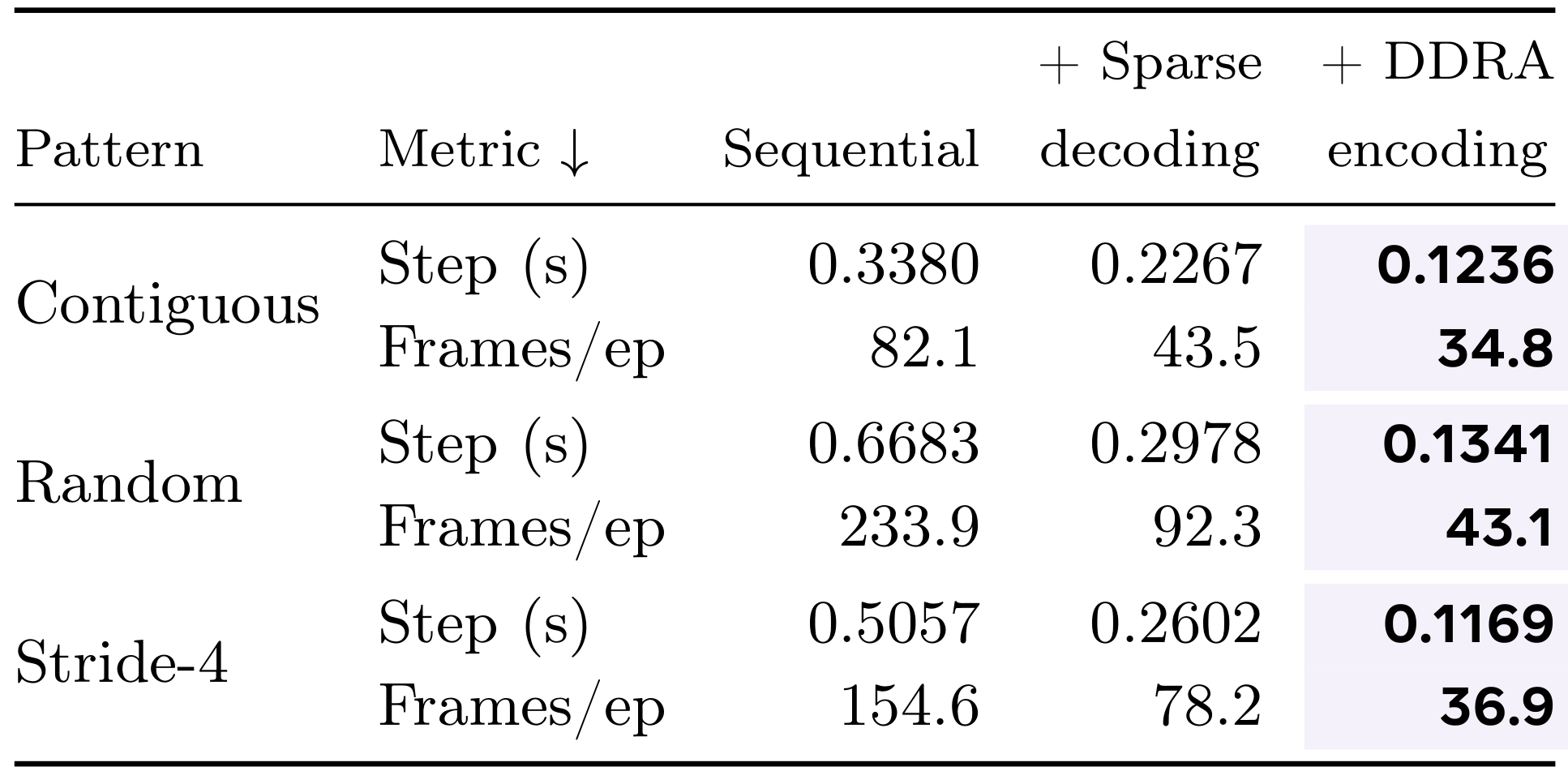
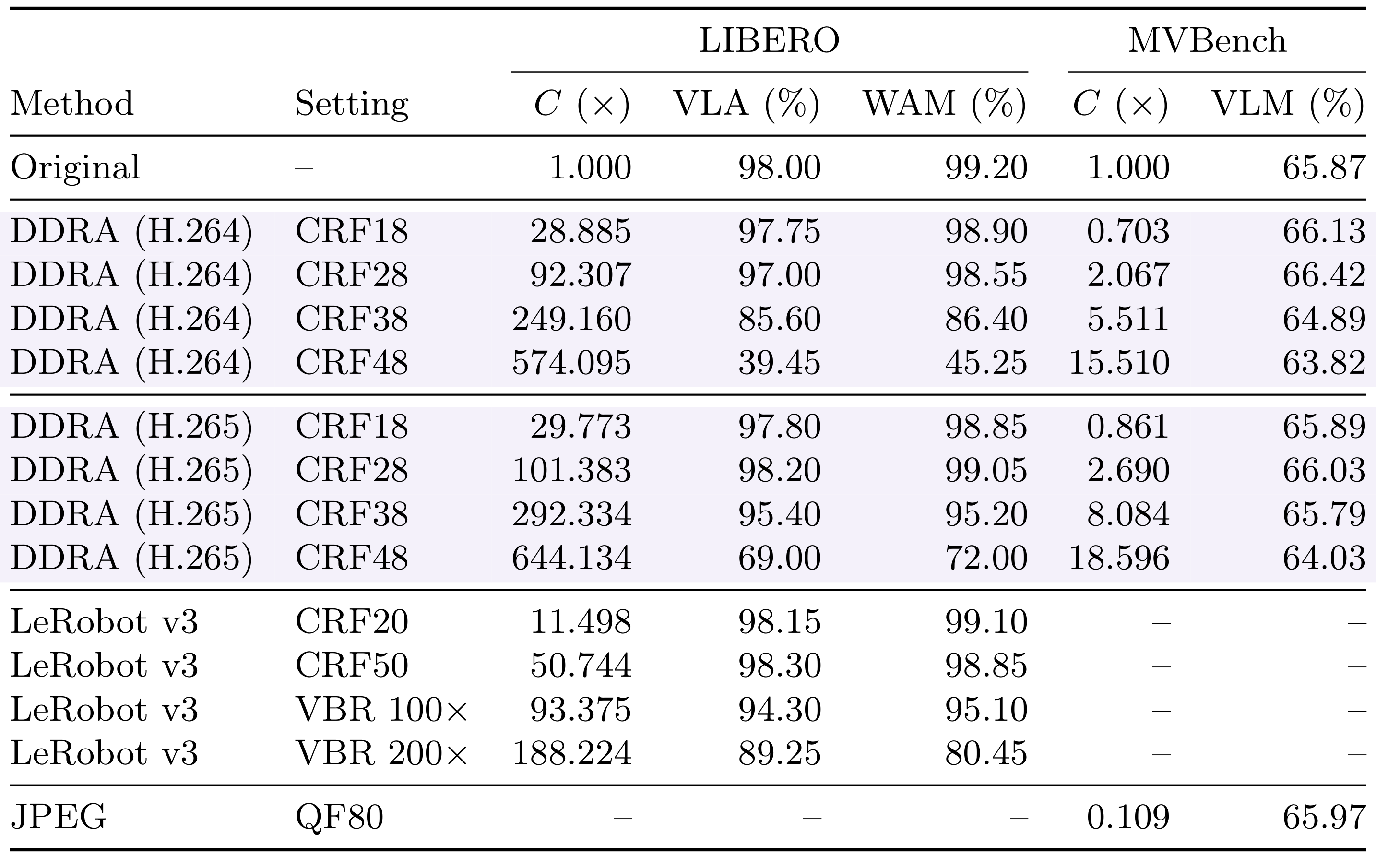
Large-scale AI training increasingly relies on massive video datasets with random temporal sampling patterns. However, existing video storage paradigms are optimized for sequential playback and employ sophisticated inter-frame reference structures to maximize compression efficiency. When applied to the random-sampling workloads of AI training, these paradigms face substantial decoding-efficiency bottlenecks. Workarounds such as independent JPEG frames and short groups of pictures (GOPs) reduce decoding work at the cost of larger storage and transfer volumes. In this paper, we identify two sources of decode amplification: sequential reconstruction of unrelated frames and reconstruction of the reference chains required by sampled targets. We address both sources by co-designing the decoding schedule and video reference structure. Dependency-aware sparse decoding reconstructs only requested frames and their required references, skipping unrelated reconstruction without transcoding the source videos. Optional offline Dependency-Decoupled Random Access (DDRA) encoding further reduces reference reconstruction by restricting each interior frame to two bounding intra-coded anchors. Together, sparse decoding and DDRA retain inter-frame prediction while bounding reconstruction to at most three frames per requested target, independent of the intra period. Experiments on a large-scale robotics corpus show that, at comparable reconstruction quality, our method achieves 1.45× the loading throughput of LeRobot v3 with 58.7% less media payload.
Method
Results
Original figures & tables

Citation
@misc{song2026rethinkingvideostorageai,
      title={Rethinking Video Storage for AI Training: Breaking Cross-Frame Dependencies for Efficient Random Access},
      author={Zetian Song and Qize Yu and Yue Chen and Bohan Zhou and Bowen Ping and Yuqi Ye and Haocheng Tang and Haotian Zhang and Qizhe Wang and Shiyu Huang and Jiaqi Zhang and Siwei Ma and Wen Gao},
      year={2026},
      eprint={2610.33079},
      archivePrefix={arXiv},
      primaryClass={cs.CV},
      url={https://arxiv.org/abs/2610.33079},
}